

Adrianne is a Senior Admissions Counselor and TV/film director, producer, writer, and actress currently based in LA. She uses her experience in multiple disciplines to help students achieve their personal and academic goals.
If you’re a high schooler or a parent of a high schooler, you’re probably wondering which summer programs would be the best fit, especially pre-college programs or more competitive summer programs.
But which ones actually help you in the college admissions process? We’ll walk you through it.

Table of Contents
Introduction: The Summer Program Confusion
High schoolers are often told that they should use the summer to their advantage and sign up for a summer program that helps them develop their academic and/or extracurricular portfolios. And it’s true — the time off from school allows high school students to pursue summer activities related to their strongest passions and interests. Then, when they’re going through the college admissions process, these activities can make them a competitive applicant at top schools.
However, many students are choosing between pre-college programs or considering applying to more competitive summer programs, which raises the question: which one is better, especially for a college resume? The truth is, there’s not one that’s objectively “better,” but they do affect students differently.
So, what are the differences between pre-college programs and more competitive summer programs? We’ll break it all down.
What Are Pre-College Programs?
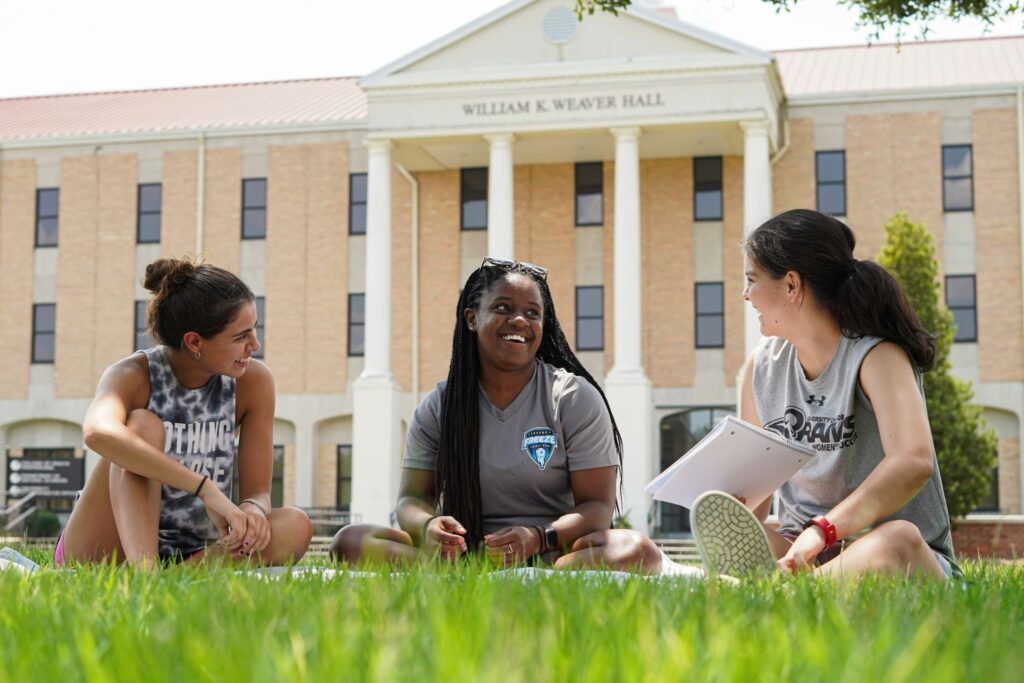
Pre-college programs are tailored educational experiences aimed at high school students, usually those who are about to enter their junior or senior years. They allow students to immerse themselves in college-like academic and social settings before starting their higher education journey. Typically held on college campuses during the summer, these programs give students the chance to reside in dorms, attend classes led by college instructors, and engage in a variety of extracurricular activities.
In addition to academics, pre-college programs aim to replicate the overall college experience. Students can connect with peers from various backgrounds, collaborate on group projects, and take part in activities beyond the classroom, including sports, cultural events, and social gatherings. This immersive setting helps to demystify college life, enhancing students’ confidence and independence before they transition to full-time college education.
Definition of Pre-College Programs
Pre-college summer programs are intensive academic and enrichment summer courses hosted by colleges and universities for high school students. Oftentimes, they take place on the school’s campus and involve students living in the campus dorms, but some schools offer online and hybrid options.
While many offer more specialized academic experience and sometimes college credit, the primary focus is more on students getting a taste of campus life and experiencing the rigor of a college-level course.
Common Examples of Pre-College Program Formats
There is no standardized format for pre-college summer programs; they often come in one of three different formats:
- Residential: Students live on campus for the entirety of the residential program.
- Commuter: Students travel to campus and continue to live off campus during the program.
- Hybrid: A mix of online and in-person classes and experiences, typically for students who live close by.
- Online: Fully online classes and experiences, can be done anywhere in the world.
In terms of the program material, again, every school’s programs are different, but there are typically a few components across pre-college summer programs more generally:
- Academic Focus: Sometimes students will take a liberal arts approach to their program (much like they would as an actual college freshman), meaning that they take a wide variety of classes in different subjects. However, other programs will have students concentrate their studies on a more specific subject, such as creative writing or Pre-Med research.
- Credit vs. Enrichment: Some programs allow students to earn college credit and even enroll alongside undergraduates, such as UPenn’s pre-college program, whereas others are more focused on students experiencing the college atmosphere.
Why Families Find Them Appealing
For students who may be looking to earn college credit and/or families who are aiming for college readiness, these programs are a good choice — they are well-suited to students at all academic and extracurricular skill levels and often don’t have an extensive application process. They can help high school students with their college list building and build their educational mindset through undergraduate-level classes.
These programs can also be a good option for students who aren’t too “specialized” yet academically to explore their potential options, much like they will in college. It can allow them to experience a collegiate research setting and connect with peers, like the ones they will meet in their future college classes. Plus, for students who are struggling to build their Common App activities list, these programs can be an easy, effective way to fill the summer.
The Important Catch
Pre-college summer programs, while a great option for many students, are known for being very pricey, especially residential programs, which can be thousands of dollars just for a few weeks on campus. Plus, as mentioned above, they often have relatively high acceptance rates, which means they are less competitive than some other, more prestigious programs. Many refer to these pre-college programs as “pay-to-play” opportunities that prioritize high tuition over meaningful experiences, but that isn’t the case across the board.
Each pre-college program has its pros and cons, so it’s important to look into any reviews or testimonials you can find about students’ experiences to get the full picture. And some are considered a bit more prestigious than others — every case is different.
What Are Competitive Summer Programs?
Now that we’ve discussed the ins and outs of pre-college programs, let’s discuss the value of competitive summer programs, especially in a college application.
Definition of Competitive Summer Programs
Competitive summer programs, in contrast to pre-college programs, are generally very selective experiences designed for high-achieving students who wish to enhance their knowledge in particular fields or disciplines. These programs often necessitate a demanding application process, which may include essays, recommendations, and sometimes even interviews or exams to evaluate the applicant’s skills and enthusiasm for the subject.
They encompass a broad array of topics, such as STEM (Science, Technology, Engineering, and Mathematics), arts, social sciences, and leadership, among others. The format is usually more rigorous than that of pre-college programs, often featuring advanced, college-level coursework, research opportunities, or high-level workshops conducted by experts in their field. Students typically find themselves among peers who are equally motivated and passionate, fostering an academically enriching and competitive learning atmosphere.
What Makes a Summer Program “Competitive”
“Competitive” in this context is a bit abstract, as it’s only used in comparison to the competitiveness of other pre-college programs. Usually, they are merit-based and maybe even fully funded, or at least significantly cheaper than your average pre-college program. They often have a longer, more comprehensive application process, which may even include interviews and essay writing, as well as a lower acceptance rate.
This means that they are usually considered more prestigious in the context of college admissions. Curious how admissions officers actually break down and summarize college applications, especially extracurricular activities? Check out this blog post on the topic.
Examples of Competitive Summer Program Categories
There are many different types of competitive summer programs out there, including:
- Leadership camps and/or workshops: These programs allow students to build their leadership skills amongst a community of like-minded high school students. Examples include the Telluride Association Summer Seminar and Boys/Girls State & Nation.
- Performing arts programs: Students interested in visual and/or performing arts often audition for spots at prestigious arts programs and schools, such as Interlochen or Julliard’s pre-college programs.
- Research programs: STEM students, especially those interested in biology and/or Pre-Med, can participate in research programs that allow them to work in a lab setting with professors, researchers, and professionals in their field. One strong example is the Research Science Institute at MIT.
- Scholars/class-based programs: These programs, similar to normal pre-college programs, are based around a traditional class structure but often have extremely advanced coursework, such as Broad Summer Scholars and Tufts TUBERS. State-specific Governor’s Schools would also fall under this umbrella.
Pre-College Programs vs Competitive Summer Programs: The Core Difference
Competitive summer programs usually offer a more focused skill set or a deeper dive into a particular field of study. Engaging in these programs can showcase a student’s commitment to and enthusiasm for a subject, indicating their preparedness for challenging college coursework. Admissions committees often appreciate students who have ventured beyond the typical high school curriculum, especially in competitive environments that reflect college expectations.
Conversely, pre-college programs can highlight a student’s eagerness to transition smoothly into college life. These programs provide a wider academic experience and the opportunity to explore potential majors without any obligation. Although they may lack the same level of specialization, they demonstrate a student’s proactive attitude towards adapting to college academics and settings.
Do Pre-College Programs Help College Applications?
How exactly pre-college programs are perceived on college applications is hotly debated. For one, pre-college programs at the school a student is applying to (i.e., Yale Young Global Scholars at Yale is a good example) can look great on an application to that school, although it doesn’t guarantee admission, and admissions officers will already be familiar with the program’s structure and prestige. But these programs would fall more under the “competitive pre-college programs” category, which means they also have a low acceptance rate and only accept a certain caliber of students.
But if you’re talking about a more traditional pre-college program, which carries the higher acceptance rate and price tag oftentimes, that is less important for top college admissions. That’s mostly because there is a less rigorous application process, which is a factor that admissions officers consider when evaluating your Common App activities list.
Do Competitive Summer Programs Help College Applications More?
In short, yes; competitive summer programs look more impressive on a college application. This is because there is a level of academic rigor that is expected in these programs, so if a student can handle that, they’re likely a good fit for a top college. Plus, many admissions officers are familiar with top competitive summer programs, so they know the caliber of student the program often accepts.
However, if a student’s only option for a collegiate-level academic program is a less competitive pre-college program, it does not look “bad” — it is a much stronger option than no summer activities. They can be a good opportunity for students to build their leadership skills as well. If you’re a high schooler looking for more opportunities to gain leadership experience, check out this blog post.
What Does the Summer Program Prove?
Participating in a summer program, whether it’s pre-college or competitive, can demonstrate several valuable traits to college admissions officers
- Commitment to learning and growth as a student. By enrolling in a summer program, students show their commitment to academic growth beyond the regular school year. This enthusiasm for learning is an attractive quality to college admissions teams, as it reflects a student’s dedication to their education and intellectual development.
- Time management and work ethic. Summer programs, particularly competitive ones, often have rigorous schedules and high expectations. Completing such a program proves that a student can manage their time well, work under pressure, and balance multiple demands
- Subject matter expertise. Participating in a specialized summer program allows a student to delve deeply into a particular field of interest, whether it’s science, writing, leadership, or the arts. This can not only solidify a student’s knowledge base but also help clarify their academic and career aspirations. This can help emphasize how “pointy” a student is. (Not sure what we mean by that? Check out this blog post.)
Pre-College Programs Are Not the Only Strong Summer Option
Pre-college programs and competitive programs are not the only summer options for high school students — it is absolutely worthwhile to spend the summer months doing community service, working a summer job, or building a passion project. Students can also spend time taking college classes at local community colleges or via online programs, usually for significantly cheaper than what a pre-college program would cost.
Of course, students (especially rising seniors) can spend time working on their college application essays and doing test prep for standardized testing. While it’s not something that you might include on your applications, it will absolutely help students as part of a larger application strategy.
How to Choose the Right Summer Plan by Student Type
Not sure what program would best suit you or your child? Here’s how to choose the right summer program based on the student type.
- Academically-Driven Student → Competitive Summer Program
- For students with a strong academic focus who wish to showcase their dedication and competence in specific subjects, competitive summer programs can be extremely beneficial. These types of students would excel with opportunities for research, advanced coursework, and direct engagement with expert mentors, all of which competitive summer programs offer (plus the benefit to their future applications). Students who’ve already performed well academically will also be more likely to be accepted to these kinds of programs.
- The Exploratory Learner → Pre-College Programs
- Pre-college programs are ideal for students who are still determining their future academic path. These programs offer a blend of academic coursework and college-life experiences, allowing students to sample different fields of study and gain a sense of college life. They provide flexibility in subject choice and can help students discover new interests and passions, aiding them in making informed decisions about their college studies and career paths.
- The Career-Oriented Student → Competitive Summer Programs (In Their Specific Subject)
- For those with a clear idea of the career they wish to pursue, specialized summer programs aligned with their goals can be incredibly beneficial. These programs often provide practical skills and hands-on experiences that are directly relevant to the student’s intended field. For instance, a student interested in healthcare might benefit from a medical camp that offers shadowing opportunities with professionals or lab-based experiences.
Red Flags When Evaluating Pre-College Programs
As mentioned above several times, not all summer programs are created the same. When you’re evaluating pre-college programs, look out for programs that are exorbitantly expensive and nonspecific when they explain what students will actually be doing. Ask about a sample student schedule and the exact expectations that students will be required to meet. This will give you a reasonable idea of what the program offers students.
Also take a look at who will be teaching the classes — are they professors at the school or are they third-party instructors hired by the program? And is the school accredited and/or are they capable of offering school credit through the pre-college program? Is the program more focused on leisure than on learning, i.e., more on building “community” than on actually teaching engaging classes? All of these questions should help you determine what’s a red flag.
Questions to Ask Before Choosing a Summer Program
If you’re narrowing down the summer programs to which you’d like to apply, here are some questions to ask before making your final decision:
- How will this summer program help me strengthen my academic and/or career focus?
- Will this program allow me to meet like-minded students and mentors?
- How will this program fit into my overall college application strategy?
- What opportunities does this program offer that others don’t?
- Is the benefit of this program worth the cost (especially if the program is especially expensive)?
- What do I hope to have gained by the end of the program?
How H&C Education Helps Students Build a Strong Summer Strategy
Here at H&C, we know summer programs are a part of your larger college application strategy. We work with students through our Roadmap program to build a cohesive academic and extracurricular portfolio, which summer programs can definitely complement.
When it comes to college admissions, an application is only as strong as the tale it tells. A good story has a compelling protagonist and a cohesive narrative of daring exploits, of challenges and successes. We assist students in writing their stories throughout high school, guiding them in their choice of coursework and extracurricular projects.
Conclusion
Not all summer programs are created equal — but if you know the differences between pre-college programs and competitive summer programs (and how each one might suit you), you can use your time during the summer to your advantage.